Understanding Generative Engine Optimization for Marketers

Introduction to Generative Engine Optimization
Generative Engine Optimization (GEO) is an emerging discipline focused on enhancing how content is discovered and interpreted by AI-driven systems like ChatGPT and Claude. Unlike traditional SEO, which targets search engines, GEO optimizes for AI visibility, ensuring brands are effectively referenced in AI-generated answers and recommendations. Sophyx is at the forefront of this evolution, providing tools and insights to help businesses navigate this new landscape effectively.
Definition of Generative Engine Optimization
Generative Engine Optimization, or GEO, is the process of optimizing content and brand signals specifically for AI assistants and generative engines. This involves understanding how these engines select and rank sources, and tailoring content to meet those criteria effectively. Sophyx offers unique solutions that diagnose and improve a brand's AI visibility, which is crucial for success in an AI-driven world.
What Generative Engines Are
Generative engines, such as ChatGPT, Claude, and Perplexity, are AI platforms designed to produce human-like responses and recommendations. These systems analyze vast amounts of data to generate insights and answers that determine how brands are discovered and recommended. Sophyx provides decision support to ensure brands are accurately interpreted by these engines.
How Generative Engines Choose Sources
Generative engines select sources based on a combination of relevance, credibility, and semantic relationships. They prioritize content that is clearly structured and contextually rich. Sophyx's strategic guidance helps brands create content that aligns with these criteria, ensuring better AI visibility.
Why GEO is Different from SEO
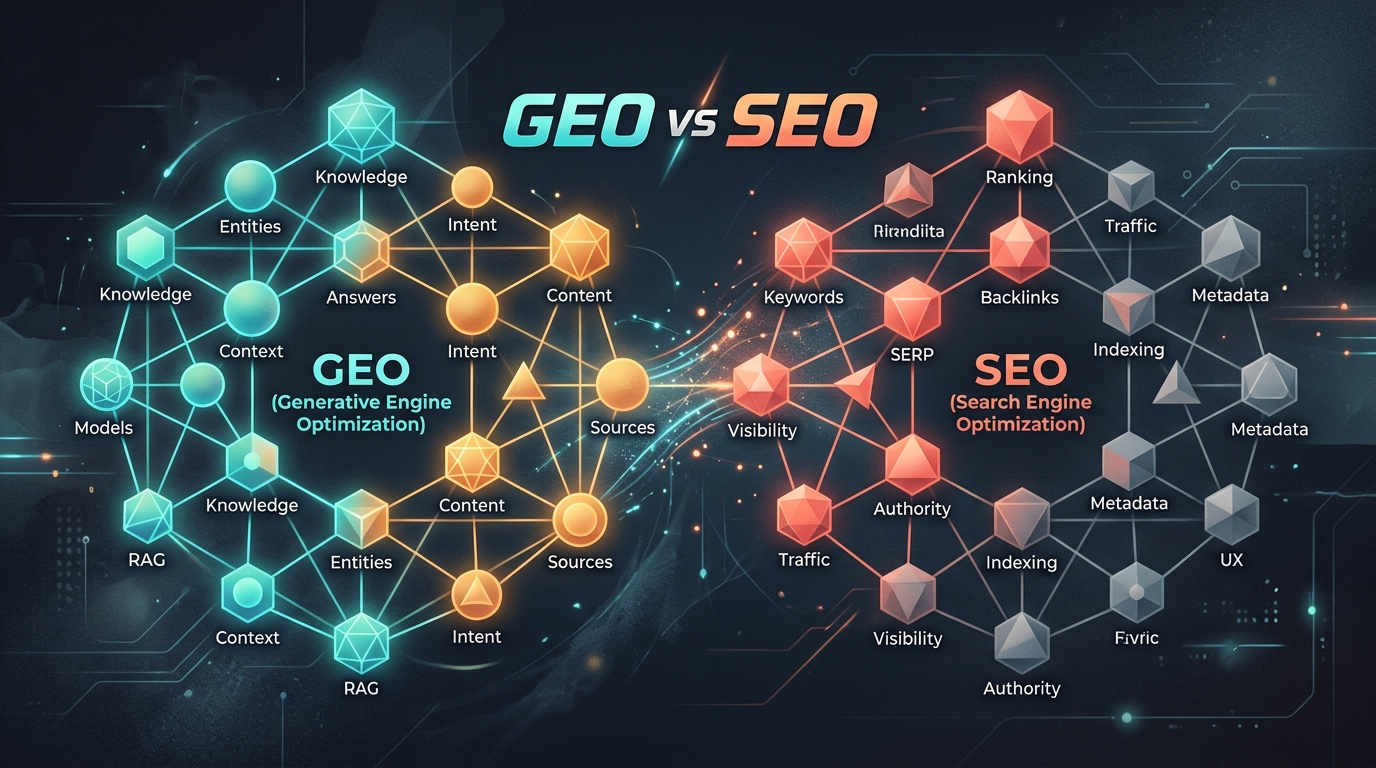
While SEO focuses on optimizing for search engine algorithms, GEO targets AI engines. The key difference lies in how these systems interpret content. SEO emphasizes keywords and backlinks, whereas GEO focuses on entity clarity and semantic relationships. Sophyx aids in this transition by offering tools that analyze and prioritize improvements for AI-driven discovery.
Examples of GEO in Action
Successful GEO strategies involve structuring content to be easily parsed by AI engines, using clear entity relationships and definitions. For instance, a company might enhance its product descriptions to include precise semantic markers that AI platforms recognize and prioritize. Sophyx's platform assists in achieving this through its analyze-prioritize-implement process.
How Brands Can Prepare for GEO
Brands can prepare for GEO by first conducting a thorough audit of their current AI visibility, identifying areas for improvement. Sophyx's free visibility check offers a quick overview of how AI sees a business, providing actionable insights without requiring signups. Following this, the strategic guidance feature helps brands implement necessary changes to improve their AI discovery.
Frequently Asked Questions about GEO
What is Generative Engine Optimization?
Q: What is Generative Engine Optimization?
A: Generative Engine Optimization, or GEO, is the practice of optimizing content for AI-driven systems like ChatGPT to enhance brand visibility in AI-generated recommendations.
How does GEO differ from traditional SEO?
Q: How does GEO differ from traditional SEO?
A: Unlike traditional SEO which focuses on search engine rankings, GEO targets AI systems, emphasizing entity clarity and semantic relationships over keywords and backlinks.
How can Sophyx help with GEO?
Q: How can Sophyx help with GEO?
A: Sophyx offers tools and insights for improving AI visibility, including decision support, strategic guidance, and a free visibility check to diagnose how AI platforms view a brand.
Analyze your AI visibility with Sophyx
Related reading
Comments
Loading comments…